From the Gregorian Calendar to the Wisdom of the Chinese New Year
In January, many of us felt it—the subtle pressure to begin again. The Gregorian New Year arrives with fireworks, countdowns, and bold declarations of change. “This will be the year I finally…” The calendar flips, and suddenly we’re expected to be new versions of ourselves overnight.
Yet for many people, New Year’s resolutions feel less like an invitation and more like a demand. They can stir motivation, but they can also evoke shame, urgency, and a quiet sense of failure when life doesn’t immediately cooperate. By February, the enthusiasm often fades, leaving us wondering if the problem is our discipline—or the structure itself.
What if the issue isn’t us at all?
What if it’s how we relate to time, cycles, and change?
The Gregorian Calendar: A Clean Break That Isn’t So Clean
The Gregorian calendar is linear, efficient, and practical. It serves modern life well. But when it comes to personal transformation, it often asks too much, too fast.
January 1st offers a psychological “clean slate,” but our bodies and nervous systems don’t reset with the stroke of midnight. Winter is still winter. Energy is often low. Integration is still unfolding from the year before. Emotionally and somatically, we may still be processing losses, lessons, and transitions that don’t neatly conclude on December 31st.
Resolutions made in this space can unintentionally bypass the wisdom of the body. They often come from the mind’s desire to control, fix, or improve rather than from a place of listening. This can create internal resistance before we even begin.
In contrast, many ancient systems—including Eastern calendars—understand time as cyclical rather than linear. Change is seen as something that unfolds in rhythm, not something that can be forced by willpower alone.
The Chinese Calendar: Honoring Natural Cycles of Change
The Chinese lunar calendar offers a very different relationship with time. Rather than beginning in the dead of winter, the Chinese New Year typically arrives between late January and mid-February—when the first subtle signs of renewal are already present. This year it is on February 17th, 2026.
This calendar aligns with natural cycles: seasons, agriculture, energy, and movement. Each year is associated with an animal archetype, offering symbolic guidance rather than rigid expectation. Instead of asking, “What should I fix about myself this year?” the question becomes, “What kind of energy is available, and how can I work with it?”
This approach invites collaboration rather than self-coercion.
From the Year of the Snake: Shedding, Integration, and Inner Work
We are currently approaching the end of the Year of the Snake. The Snake is associated with introspection, wisdom, intuition, and deep internal transformation. Snake energy is not fast or flashy. It is subtle, strategic, and deeply embodied.
The snake sheds its skin not by force, but when it is ready. This makes it a powerful symbol for inner work—especially the kind that happens quietly beneath the surface. During Snake years, growth often comes through reflection, emotional processing, and the integration of past experiences.
Many people report that Snake energy years feel slower, more inward, and sometimes uncomfortable. They can bring us face-to-face with truths we can no longer avoid. Old identities, habits, or relationships may feel too tight—ready to be released, but not without tenderness.
This kind of year is not about outward achievement. It is about becoming honest, resourced, and aligned on the inside.
Moving Into the Year of the Horse: Momentum, Expression, and Forward Motion
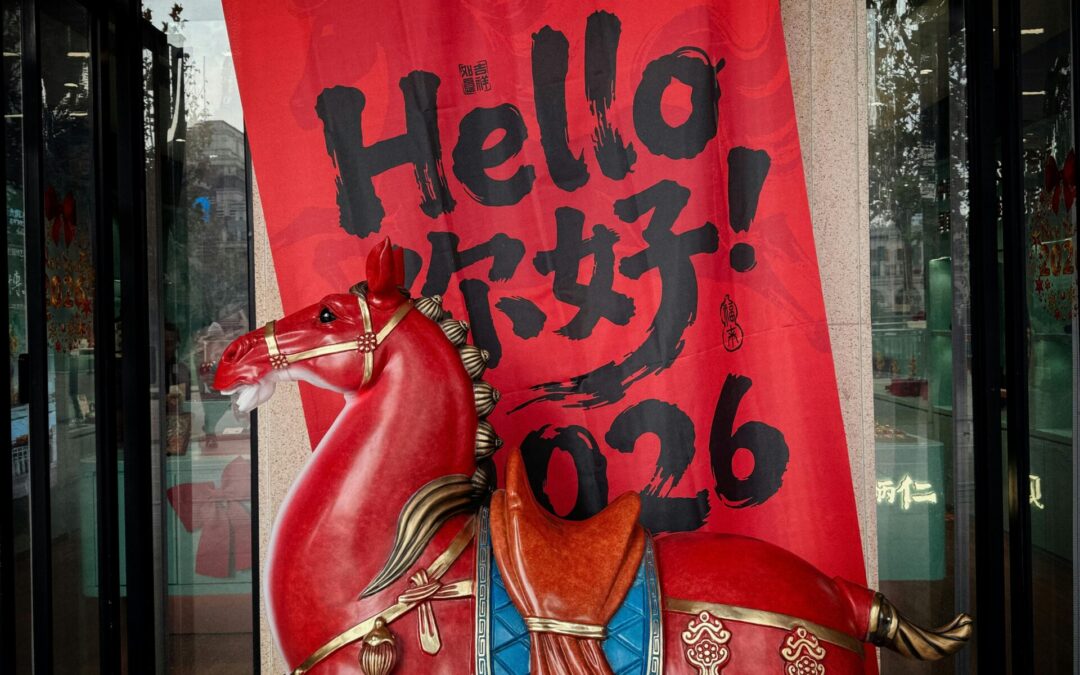
In contrast, the Year of the Horse carries a very different energetic signature. This is where we are headed.
Horse energy is expansive, expressive, and forward-moving. It symbolizes freedom, vitality, authenticity, and the desire to live in alignment with one’s truth. Where the Snake reflects and sheds, the Horse moves and acts.
But here’s the key: Horse energy is most supportive when it follows Snake energy. The movement of the Horse is sustainable only when it is grounded in the integration that came before it. Otherwise, it risks becoming restless, impulsive, or scattered.
In this way, the transition from Snake to Horse offers a powerful metaphor for change:
First we integrate.
Then we move.
First we listen.
Then we act.
Why This Matters for New Practices and Intentions
When we try to start new habits, practices, or resolutions without honoring the phase we’re in, we often experience burnout or self-criticism. We mistake resistance for laziness, when in reality the body may still be integrating.
The Chinese calendar reminds us that timing matters.
Starting a new practice during or after the Chinese New Year can feel more organic. There is often more internal permission to begin gently, intentionally, and with curiosity rather than pressure. Intentions formed in this space tend to be less about perfection and more about relationship—with ourselves, our energy, and our needs.
Rather than rigid resolutions, this approach supports practices that are:
- Process-oriented instead of outcome-driven
- Responsive to the nervous system
- Rooted in self-trust rather than self-control
A Different Kind of Resolution: Relationship Over Results
What if, instead of resolutions, we committed to relationship?
A relationship with our bodies.
A relationship with our emotions.
A relationship with time itself.
The relationship with ourselves.
Snake energy teaches us to build awareness and honesty. Horse energy invites us to live that truth out loud. Together, they remind us that sustainable change is not about becoming someone new—it’s about becoming more fully ourselves.
Practices that emerge from this understanding tend to be gentler, more flexible, and more resilient. They evolve as we do. They don’t punish us for being human.
Beginning Again, Differently
You don’t need to wait for January 1st—or even for the Chinese New Year—to begin again. But you can choose to begin in a way that honors your natural rhythms.
Ask yourself:
- What am I still integrating from the past year?
- What is ready to be released?
- What kind of movement feels supportive now—not forced?
The shift from the Snake to the Horse reminds us that there is a time for stillness and a time for motion. Both are necessary. Both are wise.
When we allow our practices to grow from this place of respect and attunement, change becomes less about fixing and more about unfolding.
And that kind of transformation tends to last.