Sometimes a single sentence can hold more truth than we first realize. One such sentence has stayed with me as I’ve reflected on the nature of consent.
Eleanor Roosevelt:
“No one can make you feel inferior without your consent.”
Is Consent Always Conscious?
I have been reflecting on this idea lately—in my personal life, in the world around us, and, of course, through the lens of being a woman.
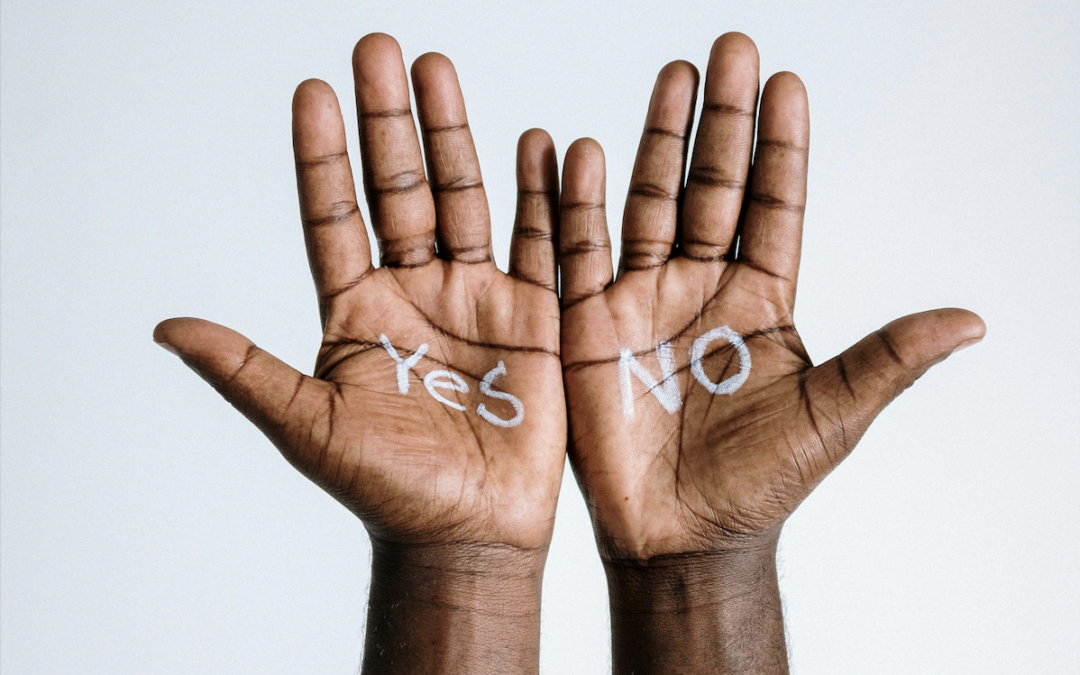
Consent is often spoken about as something simple and clear: a yes or a no, spoken aloud, consciously chosen. But for many people, myself included, lived experience tells a more complex and human story.
I began to explore consent not only as a cognitive decision, but as a relational and embodied experience—one shaped by our nervous systems, past conditioning, power dynamics, and survival strategies. When we slow down and listen more closely, an important question begins to emerge:
Is consent always conscious?
The short answer is no.
And understanding why can be deeply relieving, empowering, and healing.
I believe a narrow definition of “Consent” falls short for a lot of us.
In many conversations, consent is defined as:
- Clear
- Verbal
- Enthusiastic
- Freely given
This definition is important. It helps establish safety, accountability, and respect. And yet, it does not always reflect how human beings actually function—especially in moments of stress, threat, or relational pressure.
Many people have had experiences where they technically “agreed” to something, yet later felt confused, uncomfortable, or unsettled. They may find themselves thinking:
- “I didn’t say no, but I didn’t feel like I could say no.”
- “I went along with it, even though something felt off.”
- “At the time, I thought I was okay—but my body says otherwise.”
These moments often awaken a harsh inner voice or even deep shame:
Why didn’t I speak up?
Why did I agree if I didn’t want it?
What’s wrong with me?
From a trauma-informed, nervous-system-aware perspective, the answer is not personal failure.
It is adaptive survival.
Consent is not only a thought, it is felt in our bodies as well.
When our nervous system is regulated and supported, we have greater access to:
- Choice
- Agency
- Presence
- Flexibility
But when the nervous system perceives threat—whether real, relational, or remembered—it may shift into survival mode. In these states, the body often prioritizes safety or connection over authenticity.
Common survival responses include:
- Freeze – becoming still, quiet, numb, or disconnected
- Fawn or appease – pleasing, agreeing, smoothing things over
- Collapse or shutdown – losing energy, voice, or clarity
- Fight or flight – though these responses are often less socially permitted
In freeze or fawn states especially, a person may appear cooperative or agreeable while internally feeling overwhelmed or absent. Words like “yes” may be spoken, but they are not arising from full presence or genuine choice.
This is not manipulation.
This is not weakness.
This is the nervous system doing what it learned to do—protect and survive.
Not all consent is explicit or conscious, Some consent is implicit, shaped by:
- Early relational experiences
- Family or cultural expectations
- Gender socialization
- Power dynamics
- Trauma history
- Fear of conflict, abandonment, or punishment
A person may consent because:
- Saying no once led to harm or rejection
- Their needs were historically minimized
- Harmony felt safer than truth
- They have not yet learned to recognize their own internal “no”
In these moments, consent can look like automatic agreement, silence, or compliance—without a true sense of choice.
This is sometimes called adaptive or conditioned consent.
It reflects learning, not desire.
Sometimes consent becomes clear after the fact and this can be a confusing experience for many people. Realizing, after something has happened, that they were not truly okay with it.
This delayed clarity may show up as:
- A sinking feeling
- Tightness in the chest or throat
- Sudden grief, anger, or exhaustion
- A quiet sense of having crossed one’s own boundary
From a nervous-system perspective, this makes sense. When the body is in survival mode, awareness narrows. Only when safety returns does the system have the capacity to process what actually happened.
This does not mean something is wrong with you.
It means awareness arrived when it could.
Honoring that timing is part of healing.
Recognizing that consent was not fully conscious is not about blaming ourselves—or others. It is about widening the lens to include the body, context, and the wisdom of survival.
A compassionate reframe might sound like:
- “My system did the best it could with the resources it had.”
- “I adapted to stay safe or keep a connection, not because I truly wanted to.”
- “I can honor what I know now without judging what I didn’t know then.”
This shift softens the inner critic and allows self-trust to grow in its place.
What True, Embodied Consent Includes
From an embodied, trauma-informed perspective, consent includes several qualities:
Choice
There are real options. Saying no is genuinely possible.
Agency
A person feels they have influence over what happens next and the right to act on their own interests.
Presence
The body is here—not dissociated, frozen, or overridden.
Safety
There is enough internal and external safety to check in honestly.
Ongoing permission
Consent is not a one-time agreement. It can change, moment by moment.
When these conditions are present, consent becomes clearer, steadier, and more authentic.
Conscious consent is not a moral achievement—it is a capacity. And capacity can be built gently, over time.
At first, this may feel unfamiliar or even uncomfortable. It often calls for the practice of titration—moving slowly and kindly with our nervous systems.
Supportive practices may include:
- Slowing down decisions
- Noticing body sensations during interactions
- Practicing small “no’s” in low-stakes situations
- Naming sensations before naming choices
- Becoming aware of urgency or pressure
Often, the first step is not speaking a boundary out loud—but simply recognizing it internally.
The body speaks before words arrive.
Learning to listen is an act of deep self-respect.
Consent in Relationship and Repair
Understanding that consent is not always conscious also changes how we approach relationships. It invites:
- More curiosity
- More pacing
- More check-ins
- More humility
- More vulnerability
It allows space for conversations like:
“I thought I was okay, but I’m realizing I wasn’t.”
“Something shifted for me afterward.”
“Can we slow down and check in again?”
Healthy relationships are not built on perfection.
They are built on responsiveness, care, and a willingness to repair.
A Closing Reflection
Consent is not only something we give to others.
It is something we offer ourselves.
Each time we pause, sense, and listen inwardly, we strengthen our capacity for embodied choice. Each time we honor a subtle no—or a hesitant maybe—we begin to rebuild trust with our own nervous system.
If you are noticing places in your life where consent has been unclear, delayed, or complicated, you are not broken.
You are human.
And your system carries wisdom worth honoring.
What if we truly believe healing happens not through force or judgment, but through gentle attention, compassion, and embodied truth—one small moment of awareness at a time, how would this impact your healing journey?